Emergency Response Across Eastern PA
The Call Gets Triaged Before Anyone Drives
Not every after-hours call needs the same response, and treating them identically wastes the hours that matter. When you call, we establish what failed, what is at risk, and whether anything can be stabilized while a technician is en route. A frozen coil threat gets handled differently than a single zone running warm.
Our technicians carry capacitors, contactors, motors, ignition components, gas valves, belts, and circulator pumps on the truck, which is why most emergency calls close on the first visit rather than waiting on a parts run the next morning.
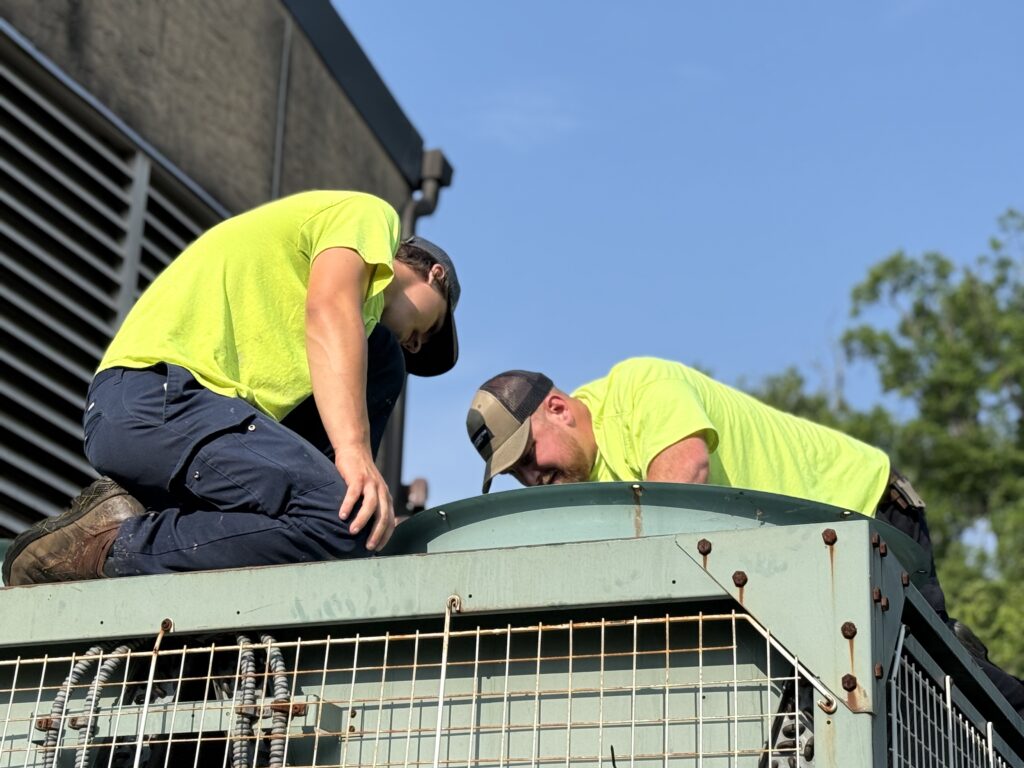
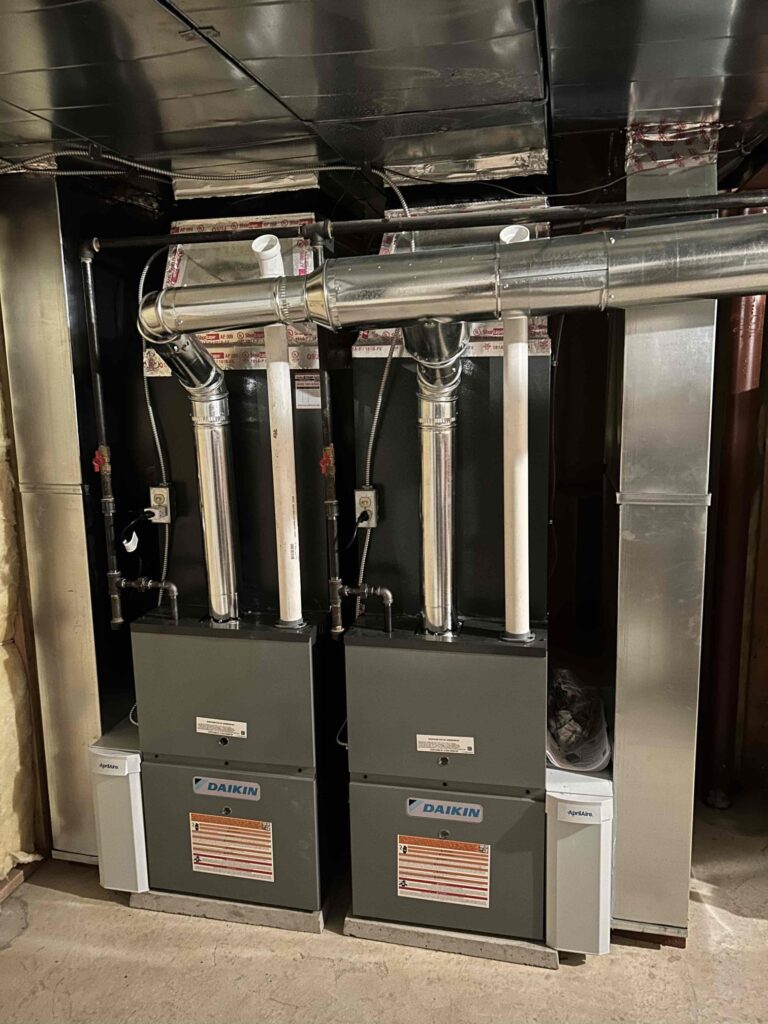
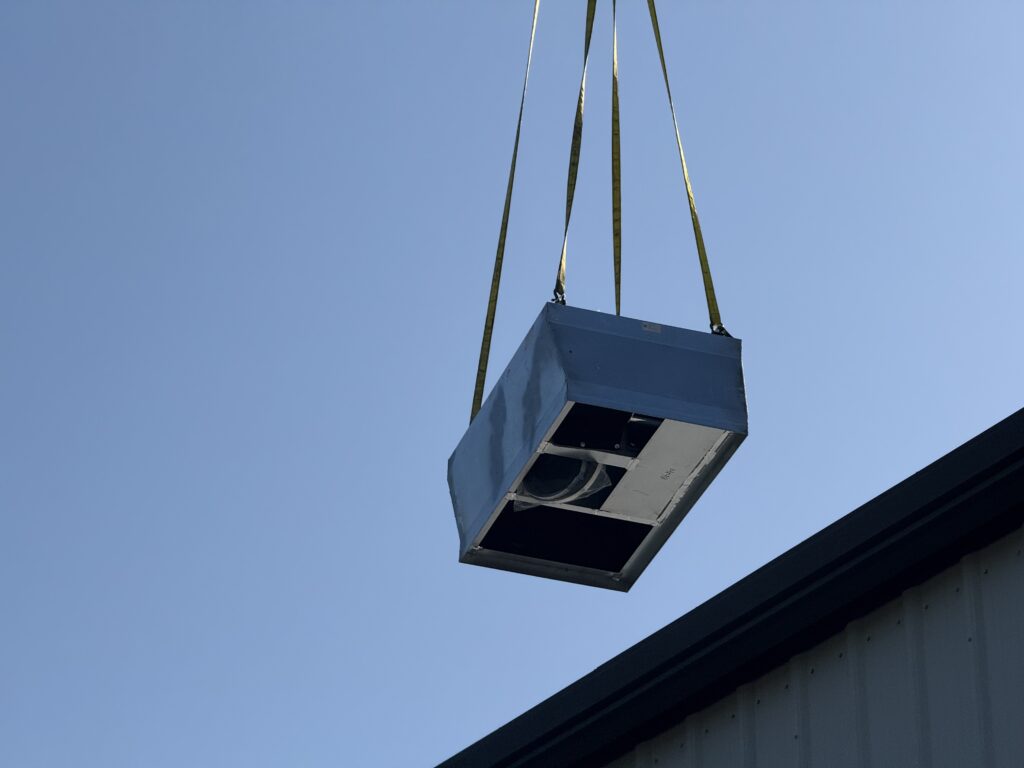
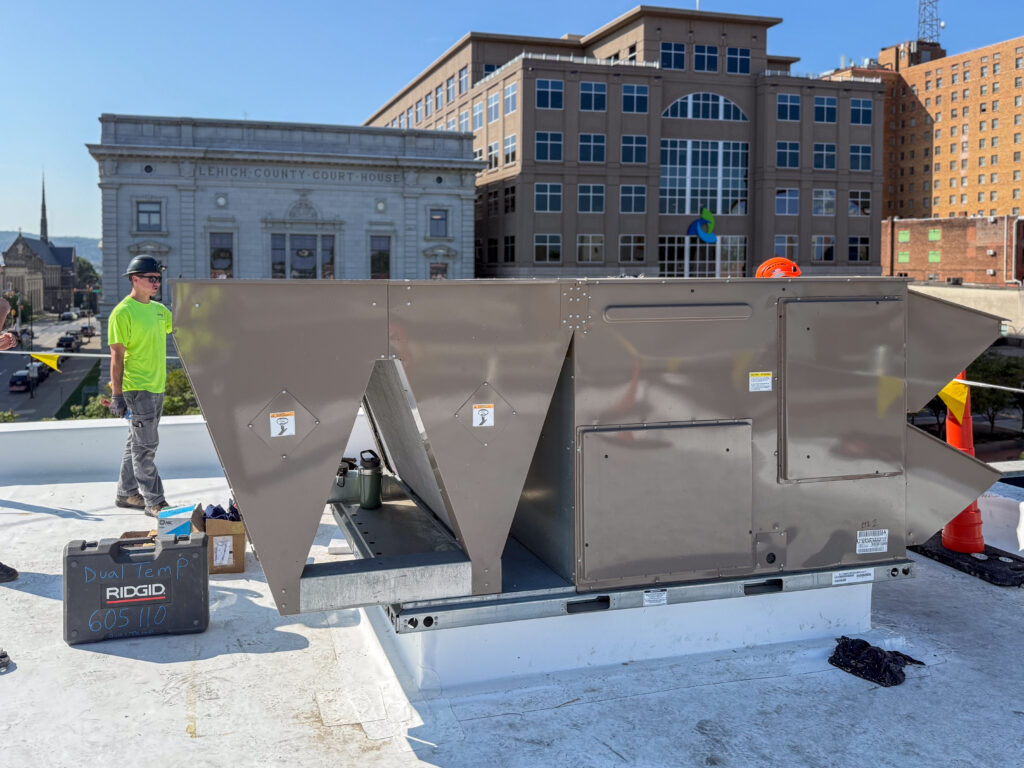
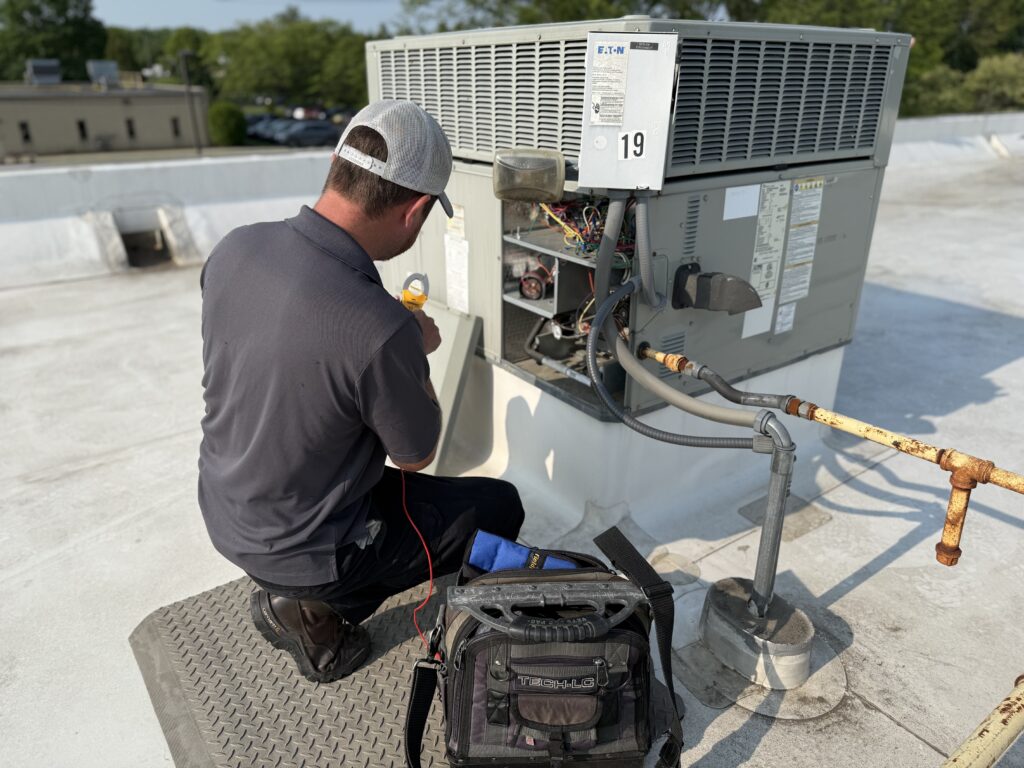
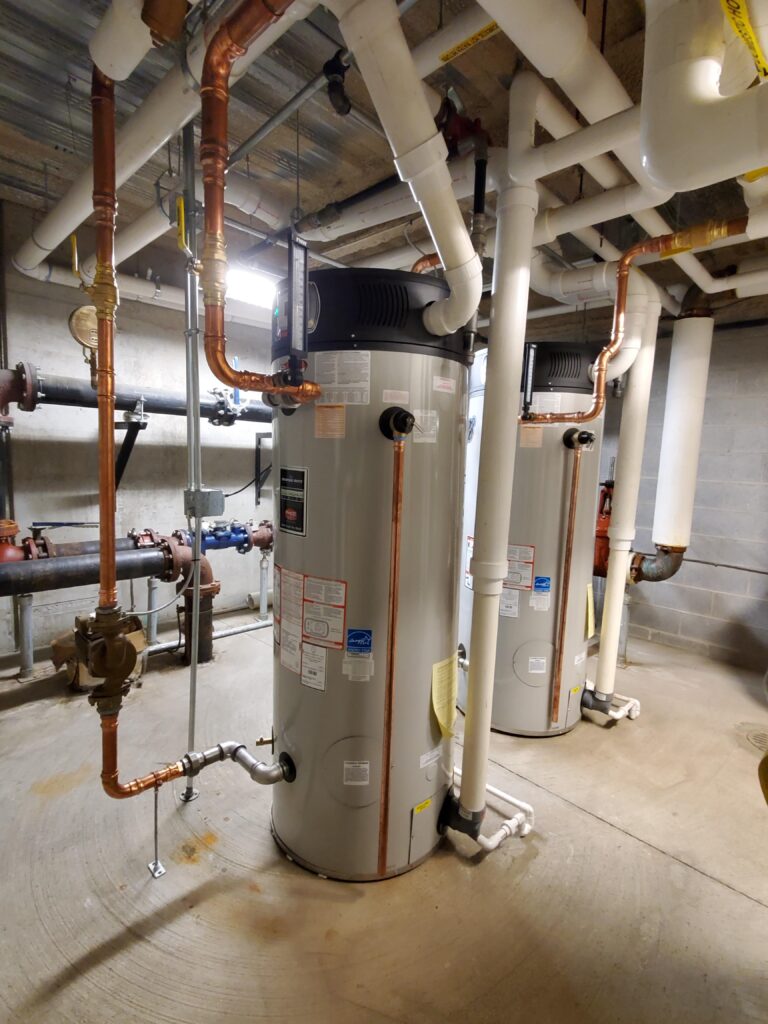
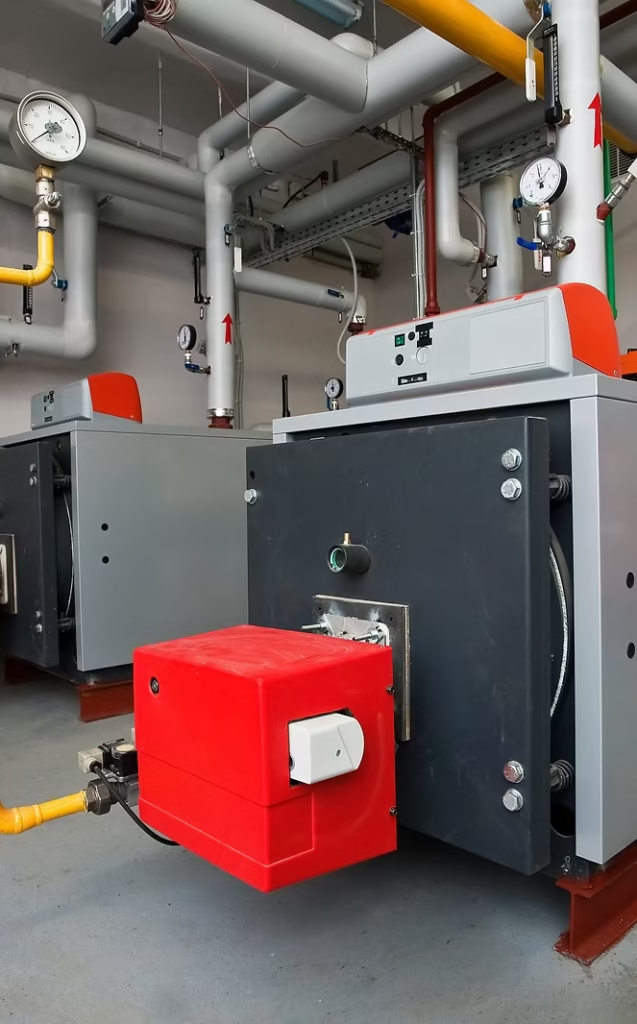
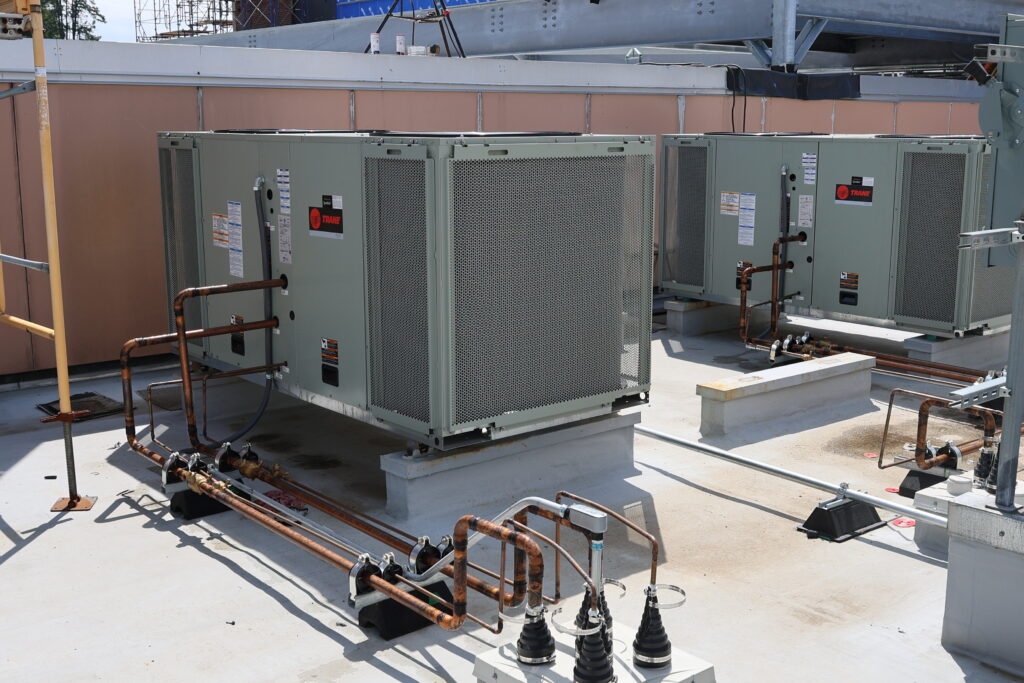
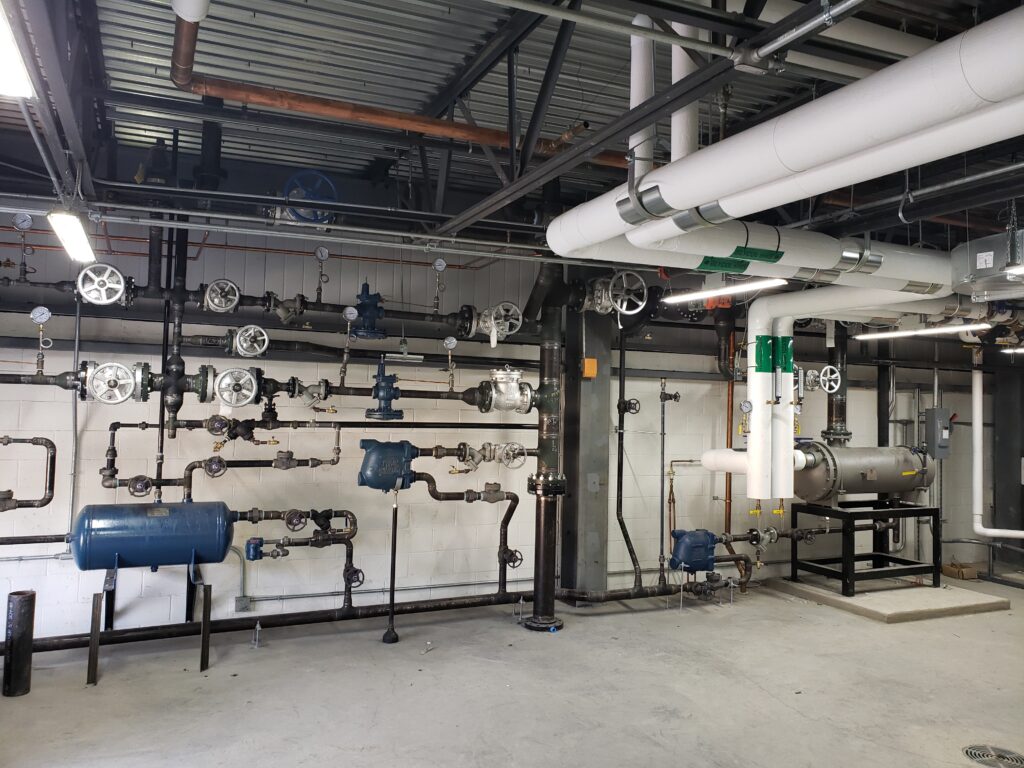
What We Respond To
Failures That Cannot Wait for Monday
Emergency work spans every system we service. These are the calls that come in most.
No Heat & No Cooling
Complete loss of heating or cooling to occupied space. Diagnosis moves through the safety circuit, the compressor or combustion circuit, and the control sequence in the order most likely to produce the fault, rather than starting with the most expensive component.
Freeze Risk & Water Damage
Coils at risk during a hard freeze, failed circulators on hydronic loops, condensate overflow, and piping leaks above finished ceilings. These calls get the fastest response of anything we dispatch, because the equipment damage is secondary to the building damage.
Gas, Safety & Control Failures
Suspected gas leaks, boiler lockouts that will not reset, and control failures leaving equipment running unsupervised. Gas work is performed by licensed technicians and closed out with pressure testing and documented results.
Get Started
Need Emergency Service Now?
Call (610) 791-9100. Maintenance agreement customers receive priority dispatch, and because the same technicians handle routine work, whoever responds has usually been in your building before. For facilities that cannot absorb downtime, ask about response time commitments written into a service agreement.